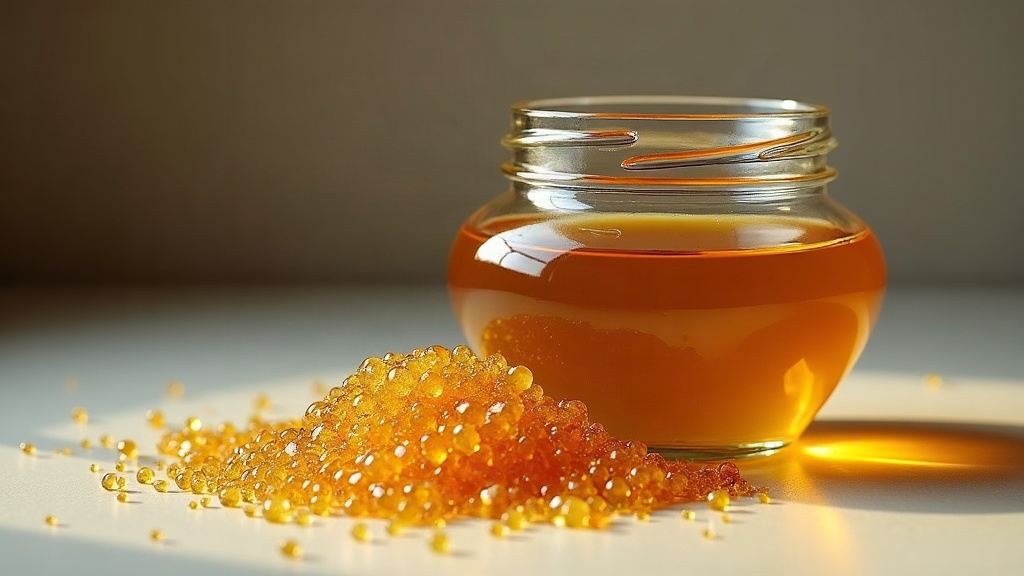
Long before anyone counted anything on a label, families leaned on simple routines — and a spoonful of Biblical drink (oil)/ Honey blend — to get through a long day. This page is about those old habits and how meals used to be put together, not about medicine.
If you keep an eye on your blood sugar, some parts of the day probably feel familiar. Here’s what a lot of people quietly deal with.
Lunch feels fine, and then an hour later the energy just drops. It's a pattern a lot of people notice but rarely talk about.
Mornings can feel heavy before the coffee even kicks in. Small routines around breakfast often get blamed — or ignored.
Eat this, not that. Everyone has an opinion about food and blood sugar, and most of it contradicts the last thing you heard.
Deciding what goes on the plate, three times a day, adds up. It's less about willpower and more about having a simple routine.
A few ideas about food get repeated so often they start to sound like fact. Here’s a closer look.
All carbs have to go.
Whole grains, vegetables, and legumes have been part of everyday meals for generations. The conversation is usually about balance and portions, not elimination — and that’s a conversation worth having with your doctor or dietitian.
Fruit is basically candy.
Whole fruit comes with fiber and has been eaten as part of meals for centuries. Context and portion matter more than treating fruit as forbidden.
You need special ‘diabetic food’ from a shelf.
Traditional kitchens didn’t have a separate aisle. Everyday, simple meals — the kind your grandmother made — are usually the starting point, alongside guidance from a healthcare professional.
Nothing complicated here. Just a few habits kitchens used to build meals around.
Many traditional meals started with vegetables on the plate before anything else. It’s a simple order, not a rulebook.
Meals used to take longer — conversation, courses, no rushing. Pace was just part of how people ate.
An after-dinner walk around the block used to be routine in a lot of households. Light movement, nothing intense — just a habit.
Long before pantries had labels, kitchens in the Mediterranean and Middle East kept jars of olive oil and honey close at hand. The two were often blended together and drizzled over warm bread, stirred into breakfast, or offered to guests as a small gesture of hospitality. Recipes for this kind of blend were passed from one generation to the next, tied more to ritual and welcome than to any written instruction. It showed up at breakfast tables, in shared bread baskets, and in the everyday rhythm of family meals — a small tradition, not a formula.
It stayed in kitchens for one simple reason: people liked how it fit into a meal and a moment — not because of anything measured in a lab.
If your energy feels like a rollercoaster after eating, that's worth describing to the doctor or team who follows your care.
Waking up tired even after a full night is something your healthcare provider can help you look into, not something to guess about on your own.
Noticeable changes in thirst or appetite are worth a conversation with the professional who already knows your history.
If your schedule, stress, or meals have shifted lately, mention it at your next appointment rather than adjusting anything on your own.
Thinking about trying a new food habit or ingredient? Run it by your doctor first, especially if you're on any prescribed treatment.
Bigger changes to how you eat or move deserve a check-in with your healthcare provider before you make them.
These are personal accounts shared for illustration. Individual experiences vary, and testimonials are not a guarantee of any outcome. This is not medical advice.
Take a closer look at the habits and history behind traditional kitchen routines — including where Biblical drink (oil)/ Honey blend came from. This is educational content only; always keep up your regular medical care and talk to your doctor before changing anything about your diet, routine, or treatment.
Advertising Disclosure: This page contains sponsored content and affiliate links. We may receive compensation if you click a link or make a purchase through the links provided on this page. This helps support the content on this site at no additional cost to you.
Content Disclaimer: The information on this page is provided for educational purposes only and has not been evaluated by the Food and Drug Administration. It is not intended to diagnose, treat, cure, or prevent any disease, and it is not a substitute for professional medical advice, diagnosis, or treatment. Always consult a qualified healthcare professional before changing your diet, routine, or any prescribed treatment.
Results Disclaimer: Individual results and experiences vary from person to person. Testimonials shared on this page reflect personal opinions and are not a guarantee of any specific outcome or result.
© 2026 · All Rights Reserved